Siding Installation for Homes in the Riverside area
Request an estimate for new siding
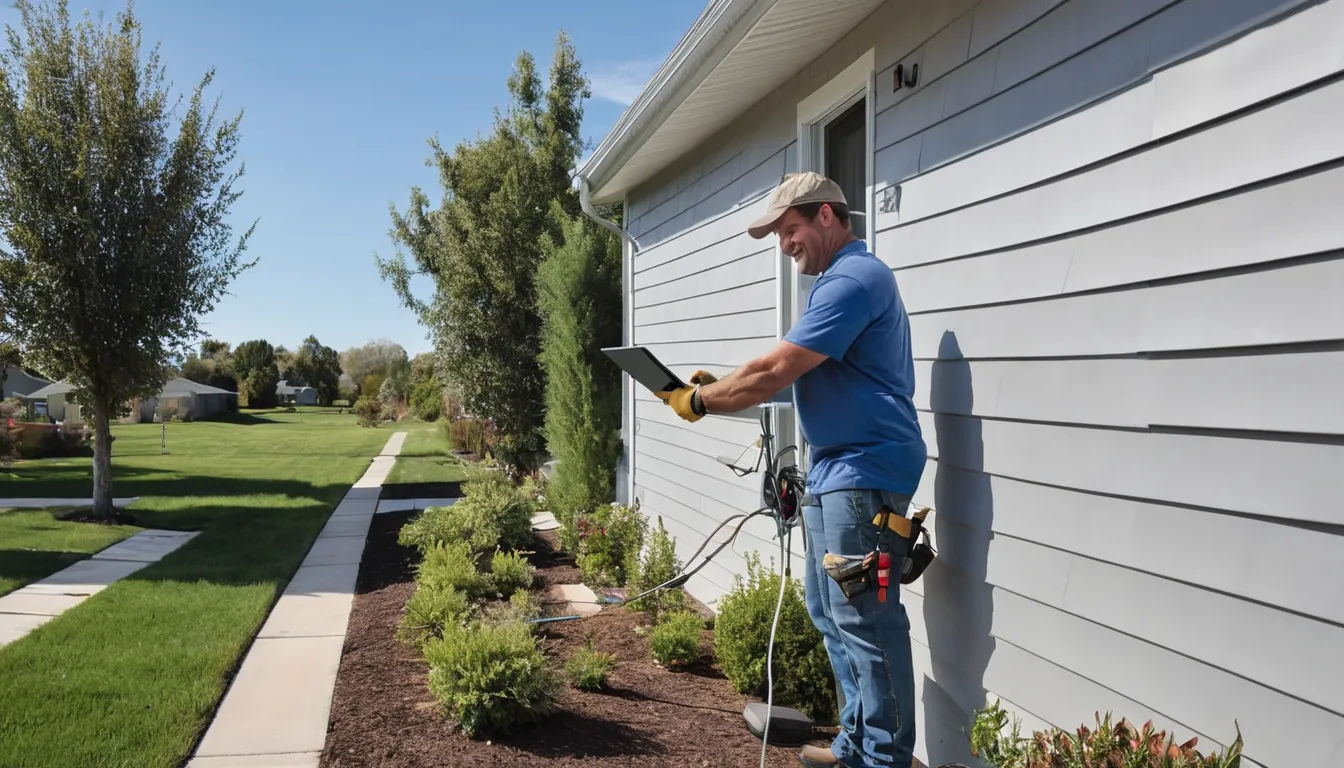
Siding looks like a plain skin on your house, but it works like a raincoat. When panels crack, warp or pull loose, water finds the wall underneath. It starts slowly. A stain shows up in a few days. Soft sheathing can follow within weeks. Seasons of sun and winter rain widen every gap.
Ointrest Windows & Siding is a referral service. We do not install siding. We explain how damage builds, show you what to photograph and write down, and connect you with independent residential siding contractors in our network. They handle the tear-off, the wall prep and the new panels. You get a clear picture of the timeline, a tidy file of notes, and a written quote to compare.
Siding Failing? Start Here
Walk the outside of your house today. Look for panels that sag, boards that rattle, or gaps where the wall meets the trim. Photograph it first. Then read on to see how fast each kind of problem tends to grow.
The First Hours: What to Check
After a windy night or a hard storm, scan every wall. Look for loose panels, holes, and open seams. Sight along each wall from the corner. Anything that flaps can catch wind and tear away more siding, so note it right away.
Safe Things You Can Do Yourself
Clear leaves and debris from the base of the walls. Trim back brush that touches the siding. Take wide shots and close-ups in daylight. Use a tape measure to size any gap. Know where to stop: stay off ladders in wet or windy weather.
Where to Stop and Hand It Off
Leave second-story walls, anything near power lines, and large missing sections to a pro. Prying off old panels can also reveal wet or rotted wall layers that are hard to judge. A provider can assess those safely.
The First Few Days
Water behind siding soaks the sheathing and insulation. Within days you may see stains inside, bubbling paint, or a musty smell. Shine a flashlight along the inside of exterior walls. Press gently on any dark spot and note if it feels soft.
The First Few Weeks
Damp wall layers invite mold and insects. A small gap can turn into rot that spreads behind intact-looking panels. Date every note. Compare new photos to old ones so you can show a provider how fast things changed.
How the Seasons Work Against Siding
Long dry seasons bake panels and crack caulk. Then winter rain events push water through those new gaps. During smoke seasons, ash settles in seams and holds moisture after the first rain. Each season adds a little more wear.
Signs Your Home Needs New Siding
One bad board is a patch job. A pattern is a replacement job. Watch for these:
- Cracked, warped or bubbling panels on more than one wall
- Faded or chalky color that rubs off on your hand
- Gaps, holes or panels that no longer lock together
- Paint that peels again soon after repainting
- Higher energy bills with no other cause
Clues Inside the House
Check the inside, too. Look for stained drywall, peeling wallpaper, drafts near outlets, and rooms that never feel comfortable. These can point to a wall that is leaking air or water. Photograph each clue with a date.
Patch or Replace?
If only one or two boards are hurt, a general handyman may be enough. When damage spreads across a wall, or the siding is old and brittle, new installation usually makes more sense. A provider can tell you which fits.
Paperwork-Ready: What to Gather
Organized records speed up every estimate. Pull together the age of your siding, past work receipts, and any warranty papers. Then add your own photos and notes. Providers can price more clearly when they see the full picture.
A Simple Photo and Note Checklist
- Wide shot of each wall, then close-ups of each flaw
- A tape measure in the frame for scale
- Date and time on every note
- Inside photos of stains or soft spots
- A list of what changed after each storm
Talking With Your Insurer
Some policies may cover sudden damage, such as hail or a fallen branch. Wear and age are usually treated differently. Check your policy. Providers can often help document damage for a claim.
Choosing a Siding Material
Vinyl siding is popular for its range of colors and low upkeep. Insulated vinyl adds a foam layer that can support energy efficient walls. Fiber cement is sturdier but heavier. Wood has classic looks but needs regular paint. Ask each provider about pros and cons for your house.
What Siding Installation Involves
Expect the provider to remove old siding, inspect the wall, and fix any damaged sheathing. Next comes a water-resistant wrap, flashing around openings, then the new panels and trim. Cleanup finishes the job. If you also plan home window replacement, mention it so the trim is planned once.
How Long Does Siding Installation Take?
Most homes take several days to a couple of weeks. Size, wall shape, material and weather all change that. Rain can pause work. Ask for a rough schedule in writing, and treat it as an estimate, not a promise.
Planning Ahead
Book before the wet season, when dry days are easier to use. Move cars and patio furniture away from the walls. Cut back shrubs. Tell neighbors about noise. Decide on colors early, since special orders can take time.
Questions to Ask the Provider
- Is the quote written and itemized?
- Who removes and hauls away the old siding?
- How will you handle damaged sheathing you find?
- What wrap and flashing will you use?
- Does the work come with a written warranty?
- What is the plan if rain hits mid-project?
Comparing Written Quotes
Get at least two quotes in writing. Compare materials, scope and schedule, not just the total. Be wary of a quote that skips tear-off or flashing. Keep your photo file nearby so you can point to each problem.
Your Next Step
Photograph it first, date your notes, then reach out. Request a callback to check provider availability, or use the request form. Either way, you will be matched with independent providers who can quote the work.
What's Included
Tear-Off and Wall Check
The provider removes old siding and looks for soft sheathing, rot or gaps before anything new goes up.
Water-Resistant Wrap
A weather barrier and flashing go on to guide moisture away from the wall.
New Panels and Trim
Vinyl siding, fiber cement or another material is fitted around doors, corners and vents with matching trim.
Cleanup and Walkthrough
Scraps and old panels are hauled away, then you look over the finished walls with the provider.
Typical Siding Cost Ranges
Siding prices swing with wall size, material, wall condition and local labor. These are typical U.S. ranges only. Your job may land outside them, so always get a written quote that lists every item.
| Item | Typical range | Notes |
|---|---|---|
| Vinyl siding, installed | $4 – $9 per sq ft | Wide color choices; thickness changes price |
| Insulated vinyl siding | $6 – $12 per sq ft | Foam backing adds a layer to the wall |
| Fiber cement siding | $6 – $15 per sq ft | Heavier; needs skilled handling and paint |
| Wood siding | $7 – $16 per sq ft | Needs regular sealing or paint |
| Old siding removal | $1 – $3 per sq ft | Can rise if layers are glued or rotted |
| Typical whole-house project | $10,000 – $25,000 | Depends on size, stories and trim work |
How It Works
Photograph and Note
Take dated photos of every wall and write down what you see inside and out.
Request an Estimate
Use the form or Request a callback to check provider availability and share your notes.
Compare Written Quotes
Review materials, scope, schedule and warranty terms side by side before you decide.
Schedule the Installation
Pick a date, prep the yard, and let the provider handle tear-off and new siding.
Why Call Ointrest Windows & Siding
Timing Made Clear
We explain what happens over hours, days and seasons so you can pick a sensible pace.
Records Ready
You learn what to photograph and note, so estimates are faster and more accurate.
Local Providers
You are connected with independent providers who know the weather and homes in your area.
Clear Limits
We tell you which tasks are safe to try and when to stop.
Other Services
Need siding installation in Riverside?
Have two or more windows to replace, or siding to plan? Send a request through the form or email contact@ointrest.property and we will point you to a local provider.
No obligationSiding Installation FAQ
How do I know if my siding needs to be replaced?
Look for cracked, warped or loose panels on several walls, faded color, peeling paint, or stains inside. One bad board may be a small fix. A pattern across the house usually means replacement is worth pricing.
How long does siding installation take?
Most homes take several days to a couple of weeks. Wall size, material and weather change the timing. Ask the provider for a written schedule and what happens if rain stops work.
Will insurance pay for new siding?
Some policies may cover sudden damage, like hail or a fallen tree. Age and wear are often treated differently. Check your policy, and ask providers to help document the damage for a claim.
Tell us what happened
Have two or more windows to replace, or siding to plan? Send a request through the form or email contact@ointrest.property and we will point you to a local provider.
No obligation